

The Future of Design: Where Creativity Meets Sustainability
Design is evolving beyond aesthetics into a force for sustainability. From circular models to eco-conscious materials, creativity is reshaping industries with responsibility at its core. This issue celebrates pioneers proving that innovation and sustainability are partners in building a better tomorrow.
June 17, 20261 min read
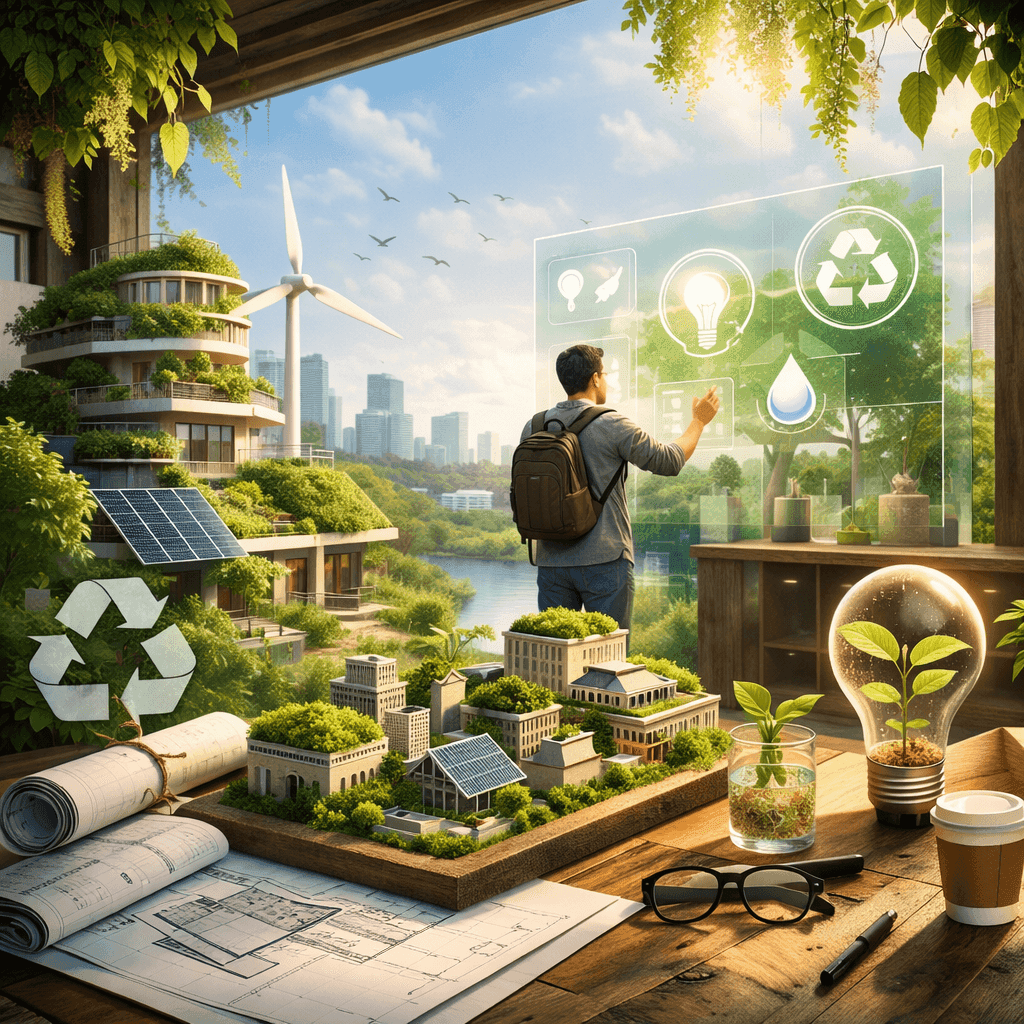
In today’s rapidly evolving world, design is no longer just about aesthetics — it is about responsibility. From architecture to fashion, from product engineering to digital experiences, the most impactful innovations are those that balance creativity with sustainability.
Designers across industries are rethinking materials, processes, and user experiences to reduce waste and create lasting value. Biodegradable textiles, modular furniture, and energy-efficient buildings are no longer niche experiments; they are becoming mainstream solutions. This shift reflects a growing recognition that design must serve both people and the planet.
At the heart of this transformation is design thinking — a methodology that emphasizes empathy, experimentation, and iteration. By centering human needs while considering ecological impact, design thinking enables breakthroughs that are both functional and ethical.
Take, for example, the rise of circular design models. Instead of creating products with a linear lifecycle (produce, consume, discard), innovators are designing systems where materials can be reused, repurposed, or regenerated. This approach not only reduces environmental harm but also opens new avenues for creativity.
The challenge ahead lies in scaling these practices. Collaboration between designers, engineers, policymakers, and consumers will be essential. As industries embrace sustainable innovation, the role of design will expand from shaping…
Pause here for now.
Sign in for free to continue reading this article and discover more great content.
Published June 17, 2026