
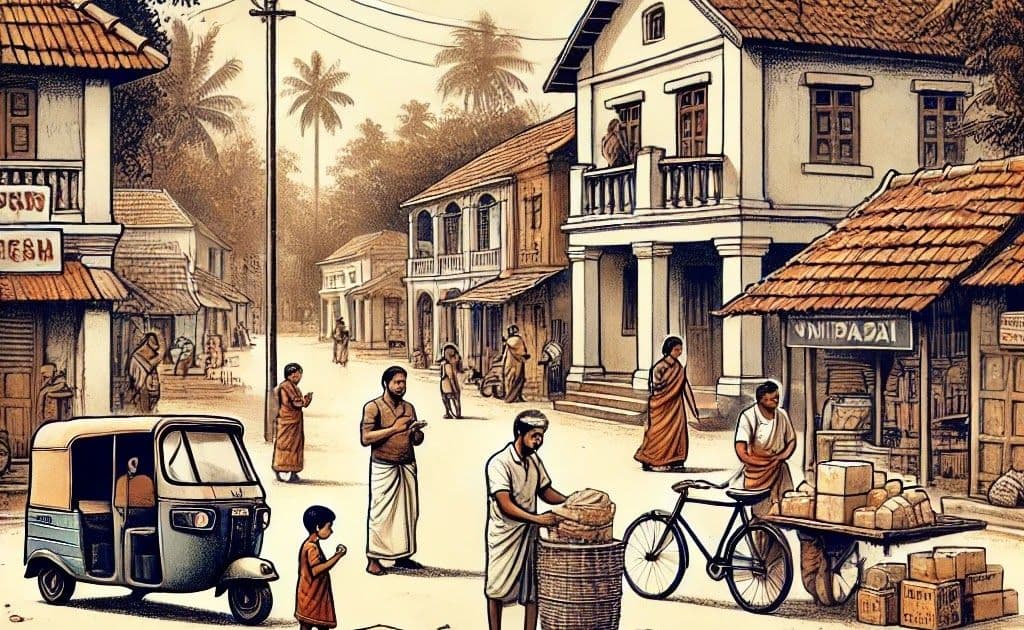
Thanappa was the village postman in Malgudi. He wasn’t just a messenger of letters—he was part of everyone’s life. He knew who was expecting a job offer, who awaited a son’s letter, and who dreaded bad news. His cheerful presence made him beloved in the community.
One family he was especially close to was Ramanujam’s. Ramanujam was a clerk, a quiet man, and his daughter’s marriage was being arranged. Thanappa took a deep interest in the preparations, almost as if it were his own family’s affair. He carried letters between relatives, helped with arrangements, and celebrated each step toward the wedding.
Then, just days before the marriage, Thanappa received a letter addressed to Ramanujam. It carried tragic news: Ramanujam’s uncle had died. Thanappa froze. He knew that if he delivered the letter immediately, the family would be plunged into mourning, and the marriage would be postponed or even canceled. All the effort, the joy, and the arrangements would collapse.
So, in a moment of human weakness—or perhaps compassion—Thanappa kept the letter in his bag. He continued to smile, to encourage, and to help the family through the wedding. The marriage went off beautifully, with laughter, rituals, and blessings. Ramanujam’s daughter was married, and everyone was content.
After the celebrations, Thanappa came to Ramanujam with a heavy heart. He confessed: “I withheld a letter. Your uncle passed away before the wedding. I didn’t want to ruin the occasion.” Ramanujam was stunned. He realized the enormity of what Thanappa had done—tampering with his duty as a postman. Yet he also saw the kindness behind it. Thanappa had acted out of love, not malice.
The story ends with Ramanujam forgiving Thanappa, though the moment is bittersweet. Thanappa’s act raises a moral question: was it right to interfere with fate, even for compassion’s sake?
R
About the Author
R.K.Narayan
Enjoyed this article?
Subscribe to get the latest stories delivered to your inbox.
Comments
Sign in to join the conversation.